
Warning: Constant WP_MEMORY_LIMIT already defined in /var/www/connected.nkg.coffee/wp-config.php on line 89

Warning: Constant WP_MAX_MEMORY_LIMIT already defined in /var/www/connected.nkg.coffee/wp-config.php on line 90
Depicting NKG’s growth in Asia: Insights from Mira Yudhawati and Emily Chua – INSIDE NKG | MAG
In the spotlight

Depicting NKG’s growth in Asia

In the spotlight

Depicting NKG’s growth in Asia

Insights from Mira Yudhawati and Emily Chua

NKG has been in Asia for over 30 years now, with the latest additions to the NKG community being NKG Korea in 2022 and PT NKG Indonesia Imports as the second group company in Indonesia alongside Berindo Jaya in March 2024. To gain more insight into the vibrant coffee markets and interesting developments in Asia, we spoke to Mira Yudhawati, COO NKG Indonesia Imports, and Emily Chua, Senior Coffee Trader Bero Coffee Singapore, who are playing an integral part in our plans and ambitions in Asia. There is a lot of potential in these markets, and we are excited to see how they continue to grow.

NKG Indonesia Imports and the Indonesian coffee market

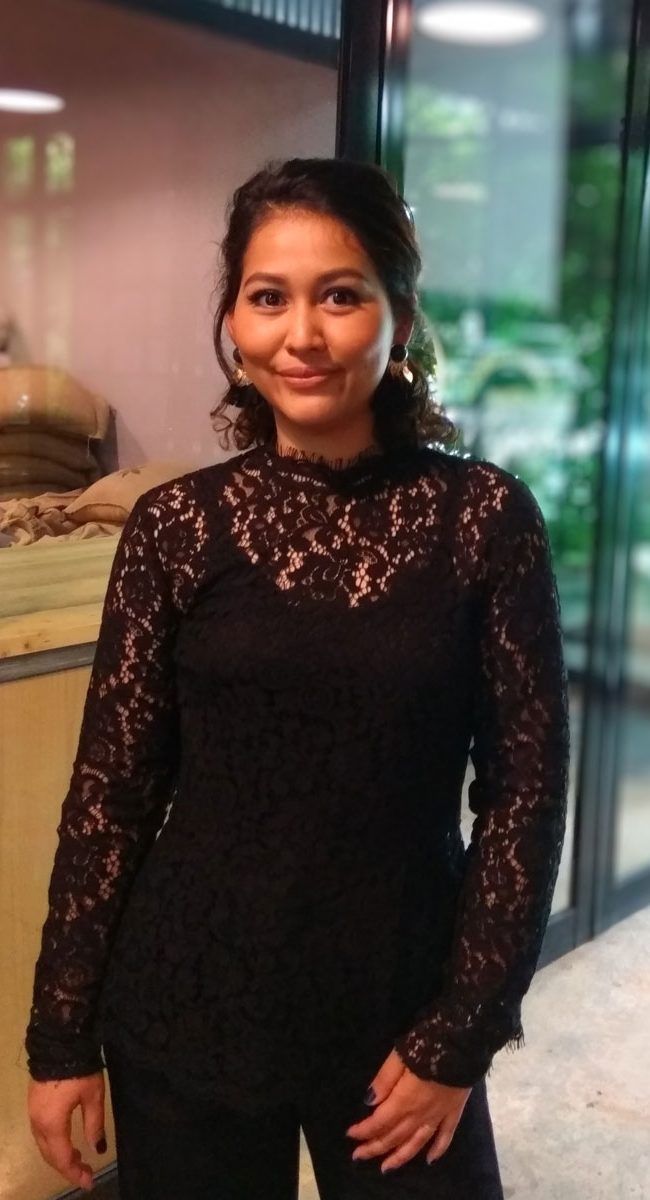
Mira Yudhawati knew NKG as a strong brand for a long time and has seen its impact on the global coffee ecosystem, before she joined NKG herself this year in the position as COO at NKG Indonesia. For Mira, it was not only an opportunity for her professional development but also a chance given to her to be part of the growing Indonesian coffee industry. “NKG Indonesia Imports is a platform that addresses roasters’ concerns about supply and demand”, Mira says and adds: “We focus on giving solutions to industry players to secure their supply while staying relevant with market trends.” Besides being an intriguing/fascinating/compelling and trend-oriented market, Indonesia has a rich coffee culture with a long history. This is not only indicated because it is a producing country but also through the presence of many coffee shops in various regions and areas in Indonesia.

Did you ever hear of the term “Ngopi”? As Mira explains, this is a term perfectly illustrating how deeply coffee is rooted in the Indonesian culture:

“Drinking coffee is not just a habit, but a tradition. It serves as a way to socialize and connect with others, often expressed through the invitation to ‘Ngopi,’ which means to meet over coffee.”

Mira Yudhawati, COO NKG Indonesia

And there are more interesting terms to stumble upon when talking about Indonesian coffee culture and the latest trends in coffee consumption, as Mira reveals: “In recent years, Es Kopi Susu has become an incredibly popular drink in Indonesia as well as across the globe. It’s an espresso with palm sugar, non-dairy cream, and whole milk, served with ice. The drink is mainly sold online through food delivery apps. This trend has helped grow coffee consumption in Indonesia, and as a result, it has attracted many local and international investors to invest in small kiosk coffee chains. In addition to the rising popularity of Kopi Susu, there has been an increase in the number of specialty coffee shops in Indonesia that offer high-quality coffee. This growth is also accompanied by the emergence of highly skilled baristas who have achieved success in world level competitions.”

Personal Questions to Mira Yudhawati

What was your first job related to coffee?

My first job in coffee was in 2004. I worked at Opal Coffee, a company that distributes coffee and equipment, as a salesperson for the HoReCa (Hotel/Restaurant/Café) market.

What would you like to bring to NKG Indonesia? Do you have anything you would love to achieve with the company?

With extensive experience in coffee production and world coffee judging, I am determined to bring my expertise to the Indonesian coffee industry. Together with the strengths of NKG, I will provide industry players with clear guidance on suitable types of coffee, taste profiles, and market suitability.

How do you prepare your coffee in private and how do you prefer to drink it?

I enjoy black coffee. Usually, in the morning, I make my own coffee at home using the manual brew method, and after lunch, I prefer iced black coffee.

What is it that you can laugh about a lot?

I enjoy seeing funny memes and sharing a laugh with friends.

the Chinese coffee market

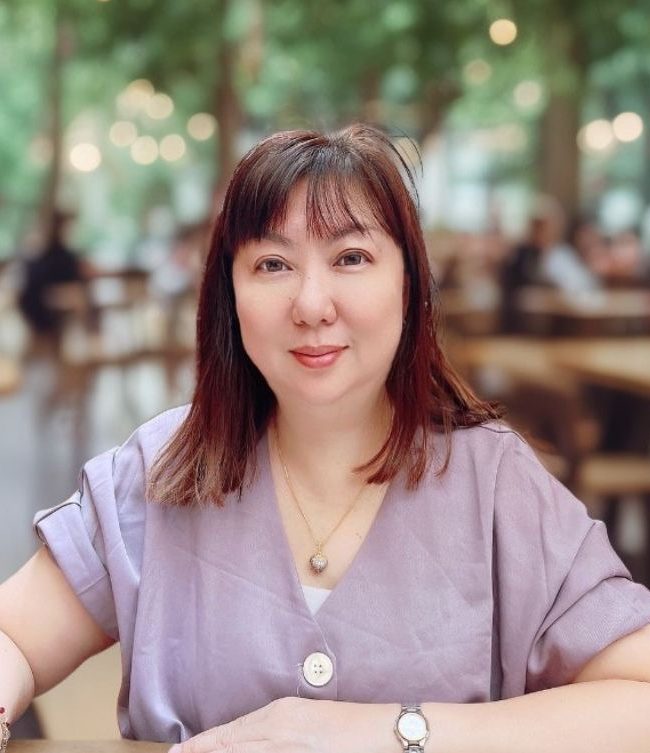
Being a Singaporean of ethnic Chinese descent, Emily feels closely connected to the Chinese culture. Comparing the Singaporean with the Chinese coffee culture, she finds many specifics about both of them: “My great-grandparents migrated from the southern province of Fujian in the early 1900s. Singapore is a vibrant tapestry of cultures; we grew up immersed in Western music while savouring Chinese cuisine. The coffee culture here is diverse, featuring our local Nanyang coffee brewed mainly from Indonesian Robusta beans, often enjoyed with sweetened condensed milk or sugar. In China, the coffee market began to emerge in the 1990s, initially accessible mainly to the affluent. However, over the past five years, there has been a significant surge in coffee demand, largely attributed to the proliferation of Luckin Coffee chain stores, offering high-quality coffee at affordable prices. Over the past years, the Chinese coffee market has experienced a rapid growth rate of 20-30 % propelled by the expansion of coffee chain stores offering affordable prices. Preferences among coffee drinkers vary across regions: consumers in Shanghai and northern China prefer 100 % Arabica coffee beans, whereas those in southern provinces like Guangzhou and Hainan may enjoy a blend that includes some Robusta beans.”

For NKG, Emily sees the urge to enter the market now:

 “If we do not use the opportunity presented by the new surge in coffee demand, we will miss this fantastic opportunity.”

Emily Chua, Senior Coffee Trader Bero Coffee Singapore

To be absolutely up-to-date with regards to coffee consumption in China, we also asked Emily about the latest trends. Her answer: “Coconut lattes are popular in China.” But there are more developments, she adds: “With the rise of online applications, coffee can be ordered online for self-pickup or delivery. The younger generation is eager to explore and try new flavours, leading to unique coffee preferences in China. Coffee is enjoyed as a beverage often paired with other flavours.”

Personal Questions to Emily Chua

What was your first job related to coffee?

Bero Coffee is my first job in the coffee industry.

When did you join NKG?

I joined Bero Coffee in December 1992.

What do you enjoy most about working at NKG?

I have worked in various departments at Bero Coffee, starting in logistics and later moving to trade support and IT. I was involved in quality control and earned an SCAA Q Grader certificate. Eventually, I advanced to become a coffee trader. After years of experience across different departments, I learned many aspects of coffee trading. I enjoy the diversity of coffee knowledge, and every day is a learning journey.

How do you prepare your coffee in your private life and how do you prefer to drink it?

I prefer my coffee hand-poured or drip-brewed, and I especially enjoy single-origin varieties with well-balanced profiles, like those from Colombia.

What is it that you can laugh about a lot?

I can laugh a lot at the silly jokes my husband tries to tell.

Leave a Reply

Your email address will not be published. Required fields are marked *

Further Articles

Smart design for a sustainable future: The Ibero Uganda mill project

An exciting and forward-looking project is underway in Uganda. In the first quarter, the construction of a new mill was started. The Uganda mill represents a significant step forward in Ibero Uganda’s operations. It will replace the more than 20-year-old facility in the old industrial area of Kampala, which has space and capacity constraints and aging equipment. The new mill will be equipped with the latest technology, which will increase efficiency, resulting in lower operating costs and restoring the competitive edge. Health and environmental concerns will be addressed through the use of energy-efficient technology, a high degree of automation, and a focus on the future workplace.

Read More »

Interview with Thomas Silva

Thomas Silva first started his career in coffee when he worked as a divisional controller for the Noble Group Coffee Division on the first day the desk/department opened. After working with different commodities (energy, metals, softs), he kept coming back to agricultural commodities and specifically coffee. He enjoys the diversity of the product and working for companies that are involved in all aspects of the coffee value chain.

Read More »

Interview with Marcelo de Paula Nogueira

Marcelo de Paula Nogueira was born in Varginha, in the southern region of Minas Gerais state, an area full of coffee farms, and grew up seeing coffee everywhere. Though, he never imagined that one day he would work in this business. However, since starting at NKG Stockler in 2022, Marcelo is glad to work with a product that he personally enjoys and that is part of the history of the region he belongs to.

Read More »

Newest ISSUES